On The Line: Mel Gibson's Thriller of Live Calls and Jeopardy
In the high-stakes world of psychological thrillers, few concepts are as inherently tension-laden as a live broadcast gone horribly wrong. Enter On The Line, a gripping film starring Mel Gibson that masterfully exploits the dual meanings of its title, plunging audiences into a heart-pounding nightmare where connection and peril are inextricably linked. This isn't just a story about a phone call; it's a harrowing journey where a man's career, reputation, and the very lives of his loved ones hang precariously on the line.
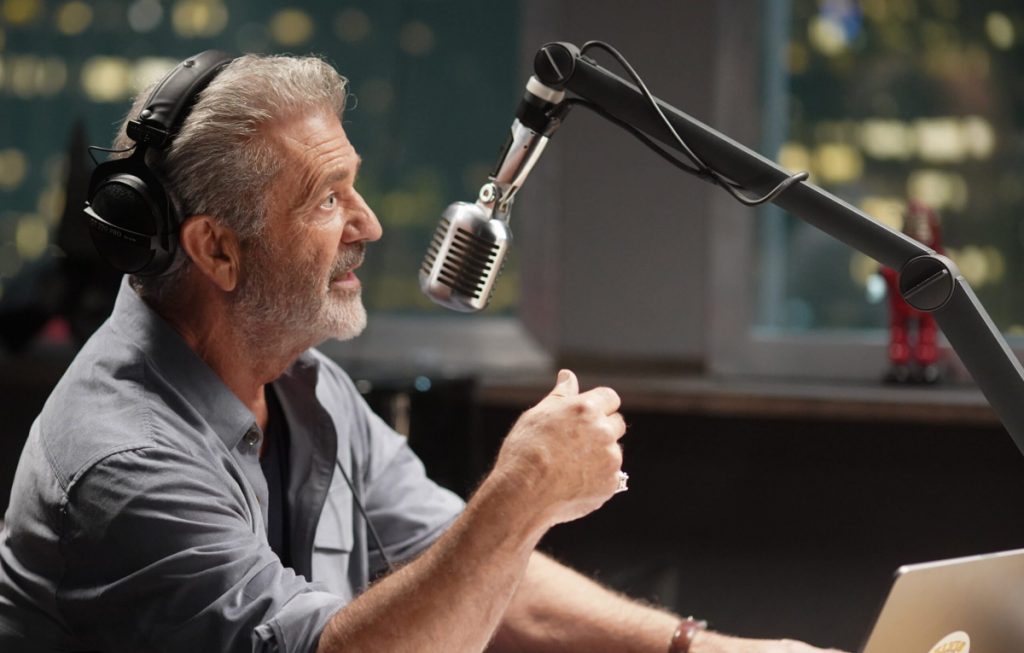
The film introduces us to Elvis Cooney, a veteran late-night radio host with a knack for engaging his callers. His world, a familiar symphony of voices and airwaves, is violently disrupted when a mysterious caller, "Gary," turns his routine show into a terrifying game of survival. Gary claims to be holding Elvis's family hostage, demanding that the host participate in a series of twisted challenges. The only way to save his family is to unmask the identity of this unseen tormentor before it's too late. The brilliance of On The Line lies in its relentless tension, driven by the immediate, visceral threat conveyed through the very medium of communication that defines Elvis's existence.
The Stakes of the Call: What "On The Line" Truly Means
The phrase "on the line" immediately conjures images of connection, of voices traveling across distances. For a radio host like Elvis Cooney, being "on the line" is his profession, his purpose. It signifies an open channel, a direct conduit to his audience. Listeners are "on the line" to share stories, ask questions, or vent frustrations. It's a space of perceived intimacy and safety.
However, On The Line cleverly subverts this everyday understanding, transforming a simple phone connection into a terrifying umbilical cord linking Elvis to a psychopathic puppeteer. The literal meaning of "on the line"—being connected via telephone or internet—becomes the very instrument of terror. Every crackle, every pause, every word spoken through that connection amplifies the danger. The film forces us to consider how easily our most common tools of communication can be weaponized, turning a benign act into a life-or-death struggle. The immediate, public nature of a live broadcast adds another layer of vulnerability; Elvis is performing his agony for an unseen audience, his every decision scrutinized, his every emotion laid bare.
The film brilliantly explores the concept of how a simple act of communication can escalate into profound danger, making us question the perceived safety of our digital and telephonic interactions. For a deeper dive into this fascinating linguistic and cinematic phenomenon, you might find our article Decoding 'On The Line': From Phone Connections to Real Danger particularly insightful.
Mel Gibson's Return to High-Stakes Thrills: A Deep Dive into Character and Conflict
Mel Gibson, known for his intense and often morally complex characters, delivers a compelling performance as Elvis Cooney. He brings a raw vulnerability and a simmering desperation to the role, perfectly encapsulating a man pushed to his absolute limits. Gibson's experience with high-stakes, action-driven narratives, often featuring protagonists battling impossible odds, serves him well here. He portrays the rapid descent from a confident professional to a frantic, terrified father with palpable authenticity.
The movie capitalizes on the second, more perilous meaning of "on the line": being at risk, in danger, or in jeopardy. This is where the true thrill of On The Line takes root. Not only are Elvis's family's lives literally on the line, but so is his career, his reputation, and his own sanity. The caller, Gary, doesn't just threaten; he manipulates, isolates, and forces Elvis to confront his own deepest fears and regrets. The game isn't just about discovery; it's about psychological torture, played out in real-time under immense pressure.
The Psychological Gauntlet: Confined Spaces and Unseen Foes
The setting of a radio studio, often a symbol of connection and freedom of speech, becomes a claustrophobic cage for Elvis. This confined space heightens the tension, mirroring his own internal entrapment. The antagonist remains unseen, a disembodied voice whose power lies in its anonymity and its intimate knowledge of Elvis's life. This allows the audience to project their own fears onto the faceless threat, making the stakes feel even more universal. Gibson's performance anchors this psychological gauntlet, as he navigates the desperate choices, moral compromises, and moments of sheer terror that define his character's struggle to save his family.
Beyond the Screen: The Broader Implications of "On The Line"
The phrase "on the line" extends far beyond the cinematic confines of this thriller. In everyday parlance, it carries significant weight, referring to situations where something valuable is at stake:
- Career On The Line: Making a risky professional decision.
- Reputation On The Line: Engaging in an action that could damage one's standing.
- Life Or Death On The Line: A critical juncture where survival is uncertain.
- Honor On The Line: A challenge to one's integrity or principles.
On The Line deftly weaves these broader meanings into its narrative fabric. Elvis isn't just fighting for his family; he's fighting to reclaim his professional integrity, his personal honor, and indeed, his very right to exist without fear. The movie uses the immediacy of the live broadcast to constantly remind us that everything is simultaneously "on the line" – the phone connection is active, and the peril is real and present.
The film serves as a potent reminder of the fragility of safety in an interconnected world. When communication can be so easily compromised or weaponized, the line between routine interaction and genuine danger becomes terrifyingly thin. It prompts us to consider our own vulnerabilities in an age where a voice from anywhere can penetrate our private spaces and threaten our peace. For a deeper exploration of how this phrase permeates our language and culture, be sure to read The Many Meanings of 'On The Line': Risk, Communication, Thrills.
Navigating the Edge: Tips for Audiences and Future Thriller Creators
For audiences, On The Line offers a masterclass in sustained tension and psychological warfare. To truly appreciate such a film, consider focusing on:
- The Unseen Antagonist: How does the film build dread without showing the villain? Pay attention to voice modulation, dialogue, and the unseen actions that impact the protagonist.
- The Confined Setting: Observe how the director uses the limited space of the radio studio to amplify claustrophobia and helplessness.
- Mel Gibson's Performance: Track the evolution of Elvis Cooney's character under extreme duress. His emotional journey is key to the film's impact.
- The Ticking Clock: Thrillers thrive on urgency. How effectively does On The Line convey the relentless passage of time and the increasing stakes?
For aspiring thriller creators, On The Line provides valuable lessons:
- Leverage Double Entendres: A title like "On The Line" that carries multiple, relevant meanings can significantly enrich your narrative and audience engagement. It adds layers of thematic depth from the outset.
- Weaponize the Mundane: Transforming an everyday object or concept (like a phone call or a radio show) into a source of terror can be incredibly effective and relatable. It makes the threat feel more immediate and plausible.
- Focus on Psychological Stakes: While physical threats are important, the psychological toll on your protagonist can create a more profound and lasting impact. Show, don't just tell, their unraveling and their desperate fight for control.
- Character Depth is Key: Even in a high-octane plot, ensure your protagonist has relatable flaws, motivations, and emotional connections. The audience needs to care deeply about what they stand to lose. Elvis Cooney's familial bond is his core vulnerability and his driving force.
- Build Tension Through Isolation: Placing your protagonist in a situation where they are physically or psychologically isolated, even in a public setting, can heighten the sense of dread and vulnerability.
The thriller genre continuously evolves, reflecting contemporary fears and technological advancements. Films like On The Line remind us that the most terrifying scenarios often arise from the distortion of our most familiar interactions.
On The Line stands as a taut, anxiety-inducing thriller that brilliantly exploits the inherent tension in communication and risk. Mel Gibson's powerful performance anchors a story where the simple act of taking a call becomes a battle for survival. It's a gripping narrative that forces us to contemplate how easily our lives, our safety, and everything we hold dear can be, quite literally, put on the line. This film is more than just entertainment; it's a chilling reminder of the thin, precarious thread that often separates security from outright peril in our interconnected world.